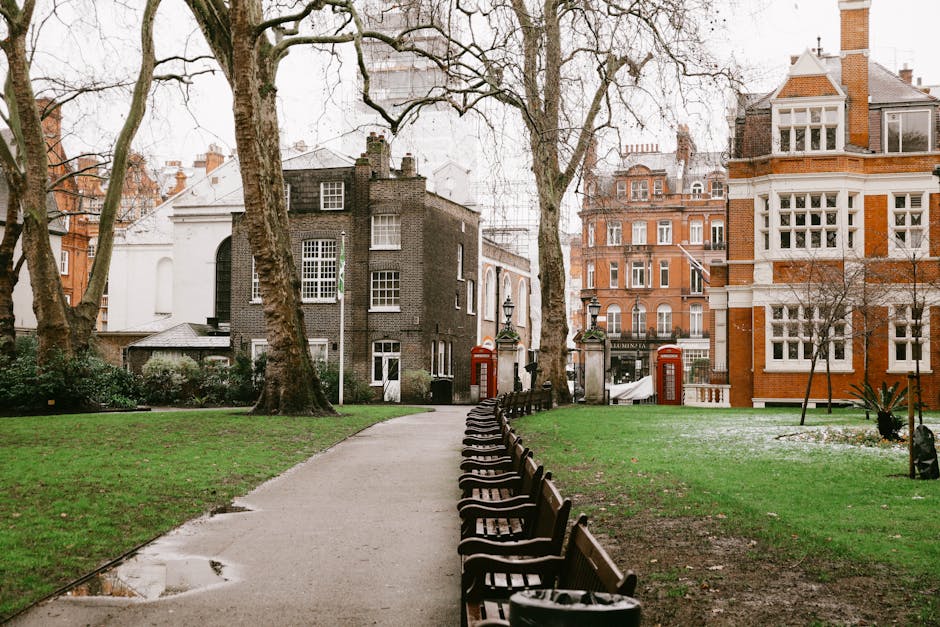
Garden clearance rules Westminster Council for Covent Garden: what you need to know before you start
If you are planning a tidy-up, a major reset, or a full outdoor clear-out, the rules around Garden clearance rules Westminster Council for Covent Garden can feel a bit hazy at first. That is normal. One minute you are looking at overgrown borders, broken pots, and a pile of ivy cuttings; the next you are wondering what can go in a sack, what needs special handling, and whether anything about the area changes the job. In Covent Garden, where space is tight and access can be awkward, getting it right matters.
This guide breaks the topic down in plain English. You will learn what counts as garden clearance, how Westminster-style requirements usually affect waste handling and access, what good practice looks like in a busy central London setting, and how to avoid the sort of mistakes that turn a simple clearance into a headache. It is practical, local, and written for people who want the job done properly the first time.
Table of Contents
- Why Garden clearance rules Westminster Council for Covent Garden Matters
- How Garden clearance rules Westminster Council for Covent Garden Works
- Key Benefits and Practical Advantages
- Who This Is For and When It Makes Sense
- Step-by-Step Guidance
- Expert Tips for Better Results
- Common Mistakes to Avoid
- Tools, Resources and Recommendations
- Law, Compliance, Standards, or Best Practice
- Options, Methods, or Comparison Table
- Case Study or Real-World Example
- Practical Checklist
- Conclusion
- Frequently Asked Questions
Why Garden clearance rules Westminster Council for Covent Garden Matters
Garden clearance is not just about making a space look nicer. In central London, it can affect access, waste storage, neighbour relations, safety, and even whether the work can be completed without delay. Covent Garden is a place where back alleys, shared access routes, and limited pavement space can make a straightforward clearance feel more complicated than it first appears. A few bags of cuttings may be fine, but a large pile of branches, soil, old planters, or mixed waste needs more thought.
For many property owners, the biggest issue is not the clearing itself. It is the disposal. Green waste, wood, soil, old fixtures, and general rubbish should not all be treated the same way. If they are mixed badly, you can end up with higher disposal costs, more handling time, and in some cases avoidable compliance problems. To be fair, that is where people get caught out most often.
Another reason this matters is the local environment. Westminster streets can be busy early and late, and residents tend to notice noise, mess, and blocked access very quickly. A tidy, well-managed clearance reduces disruption, keeps the job moving, and leaves less chance of complaints. If you are arranging work for a flat garden, courtyard, roof terrace, or shared outdoor space, those small details become the whole game.
If you want a broader look at related outdoor services, it can help to review the company's services overview and the dedicated garden clearance service before booking anything.
Expert summary: In Covent Garden, the smartest approach is not just removing waste quickly. It is planning the clearance around access, separation of materials, neighbour impact, and lawful disposal from the start.
How Garden clearance rules Westminster Council for Covent Garden Works
At a practical level, garden clearance usually follows a simple pattern: assess, sort, remove, transport, and dispose of waste responsibly. The "rules" part comes in through waste management, working hours, noise control, access arrangements, and how carefully the clearance is handled on site. Westminster Council expectations, alongside general UK waste and environmental norms, shape how professional clearance should be organised.
Here is the simplest way to think about it. Green waste such as grass cuttings, leaves, hedge trimmings, and small prunings is usually handled separately from general household rubbish. Hard materials like old timber, broken paving, soil, concrete, and damaged garden fittings may need different treatment again. If a garden includes anything potentially hazardous, such as treated wood, sharp metal, fly-tipped waste, or large tree sections, the clearance needs even more care. One size does not fit all. It rarely does, actually.
In a Covent Garden setting, access is often the real constraint. Can a vehicle park nearby? Will waste need to be carried through a communal entrance? Is there a narrow stairwell, lift, or service corridor? These questions determine how the clearance should be scheduled and how many people are needed. A job that looks small on paper can take much longer in real life if every bag has to be moved by hand down a tight access route.
There is also an etiquette side to it. A responsible clearance team keeps the site neat, protects hard surfaces where possible, and avoids leaving loose debris behind. This matters in shared residential settings and commercial courtyards alike. It is the kind of thing you notice more when it is done badly than when it is done well.
What usually counts as garden clearance waste?
- Leaves, grass cuttings, and hedge trimmings
- Branches, twigs, and plant material
- Weeds, roots, and dead plants
- Old pots, broken garden furniture, and worn planters
- Soil, turf, and small quantities of rubble where applicable
- Mixed waste from neglected gardens, subject to sorting
If the job also involves hedges, lawn edges, or pruning as part of the clearance, related services like hedge trimming and lawn mowing may be useful alongside the main clearance.
Key Benefits and Practical Advantages
A good garden clearance does more than remove clutter. It restores breathing room. You feel it the moment you step outside and can actually see the ground again. In a compact Covent Garden property, that can make a dramatic difference to how the space functions.
- Better use of space: cleared areas are easier to plant, walk through, maintain, or redesign.
- Lower safety risk: less trip hazard, fewer hidden sharp objects, and better visibility.
- Improved kerb appeal: useful for homes, rental properties, short-let gardens, and commercial courtyards.
- Less neighbour friction: a well-planned job reduces mess, noise, and overrun.
- Cleaner handover for follow-on work: clearance often prepares the way for landscaping, decking, or routine maintenance.
There is a quieter benefit too: peace of mind. Once the space is cleared properly, you stop mentally stepping around the mess. That sounds small, but it is not. People often say they had been putting off the job for months because the garden felt overwhelming. Then, once it is done, the whole property feels lighter.
If your clearance is part of a wider outdoor refresh, you may also find value in garden maintenance, landscaping, or even landscape gardening after the waste has been removed.
Who This Is For and When It Makes Sense
Garden clearance rules and best practices are relevant to a wide mix of people in Covent Garden. Some are dealing with a private courtyard that has been neglected through winter. Others are preparing a rental property between tenancies, getting a site ready for sale, or clearing a communal area after storm damage. The needs differ, but the practical challenges are often similar.
This topic matters especially if you are:
- a homeowner with a small but heavily overgrown garden
- a landlord or managing agent needing a fast turnaround
- a business owner with an outdoor frontage or courtyard
- a resident in a shared building where access is limited
- someone preparing for refurbishment, replanting, or deck installation
It also makes sense when the garden has become more than a maintenance job. If there are multiple layers of waste, established weeds, old timber, damaged planting, or even a partially collapsed structure, you are no longer looking at simple tidying. You are looking at clearance planning. That is the point where a structured approach saves money and hassle.
If there is any tree work involved, especially branches, heavy pruning, or stump-related waste, it can be worth looking at tree lopping and removal as part of the overall job. And if the area includes an older deck or platform that needs attention, decking services may be the next sensible step after clearance.
Step-by-Step Guidance
The cleanest way to manage a garden clearance in Covent Garden is to treat it like a small project, not a last-minute sweep. Here is a practical sequence that works well in real life.
- Survey the space properly. Walk the garden, courtyard, or terrace and identify all waste types, access points, hazards, and items that need separating.
- Decide what stays and what goes. Be firm here. It is very easy to keep "just in case" items that end up lingering for another year.
- Separate green waste from general waste. Group branches, cuttings, weeds, soil, and non-organic items before removal begins.
- Check access and loading logistics. Note stairways, shared entrances, parking restrictions, and the shortest safe route for waste movement.
- Protect the route. Use coverings or careful handling where needed to avoid damage to hallways, paving, or communal areas.
- Remove waste in stages. This keeps the site manageable and reduces the chance of overlooked debris.
- Finish with a proper sweep and visual check. The job is not finished until the area is clean, safe, and ready for use or follow-on work.
A simple example: a small Covent Garden courtyard with a week's worth of hedge trimmings, old plant pots, and a damaged bamboo screen may look like a one-hour job. In practice, once access and sorting are included, it may take much longer. Planning for that reality keeps expectations sensible.
Expert Tips for Better Results
There are a few things that make a big difference and they are often overlooked. Not glamorous stuff, but useful.
- Clear first, prune second if the space is overgrown. You often see the real shape of the garden only after the waste is out.
- Keep wet and dry green waste separate where possible. It is easier to move, and it tends to be less messy.
- Bundle long stems and branches. Fewer awkward trips through narrow access routes.
- Book with the follow-on job in mind. If you know the space will be replanted or resurfaced, plan clearance to suit that next stage.
- Leave a little room for surprises. Old gardens hide things. Broken edging, buried pots, rusted fixings. It happens more often than people expect.
My honest advice? Do not aim to "just get it done" if the garden has been neglected for a while. A rushed job often means missed waste, repeated visits, and avoidable friction. Slow enough to be thorough, quick enough to stay efficient. That balance is the sweet spot.
If you want a company that explains its service approach clearly, it is worth reviewing the site's about us information and the practical details on pricing and quotes. For waste-focused work with sustainability in mind, see recycling and sustainability.
Common Mistakes to Avoid
Most problems in garden clearance are surprisingly ordinary. No drama, just poor planning. The good news is that they are easy to avoid once you know what to look for.
- Mixing all waste together. It slows the job and can make disposal less efficient.
- Ignoring access routes. A beautiful plan can collapse if nobody checked the narrow passage to the rear garden.
- Underestimating volume. Three black bags on paper somehow become twelve once the weeds are lifted. Strange how that works.
- Forgetting hidden hazards. Broken glass, nails, sharp wire, unstable edging, and rotten timber are common in neglected gardens.
- Not thinking about neighbours. Shared spaces in Covent Garden often require a little courtesy and timing awareness.
- Leaving the site "mostly finished." Mostly finished is not finished. Especially not if debris is still tucked against walls or under shrubs.
One more thing: do not assume a small garden means a simple clearance. In dense urban settings, the complexity often comes from access, handling, and disposal, not square footage. That is the bit people miss.
Tools, Resources and Recommendations
For many property owners, the right tools are less about gardening glamour and more about making the job safe and efficient. You do not need a shed full of kit, but the basics matter.
- Heavy-duty waste sacks: better for mixed organic waste and smaller debris.
- Gloves and eye protection: especially when dealing with thorny growth or hidden sharp items.
- Wheelbarrow or waste tubs: useful if access allows movement from the rear garden to the loading point.
- Secateurs, loppers, and pruning saws: for breaking down dense cuttings into manageable sections.
- Tarpaulins or sheets: helpful for protecting routes and gathering material cleanly.
For homeowners who want to keep the space under control after clearance, ongoing services like garden maintenance or scheduled lawn mowing can stop the problem from building back up. It sounds obvious, but a little upkeep saves a lot of scrubbing later.
If you are comparing service providers, check how clearly they explain waste handling, insurance, and what happens after the clearance. Those are good signs. You can also review the company's insurance and safety information and its health and safety policy for extra reassurance.
Law, Compliance, Standards, or Best Practice
Garden clearance is one of those jobs that looks informal, but compliance still matters. In the UK, waste must be handled responsibly, and anyone removing waste for another person should be able to do so lawfully and carefully. Exact legal requirements can vary depending on the nature of the waste and the working arrangement, so it is wise to avoid assumptions.
For most Covent Garden clearances, the sensible best-practice approach is:
- separate organic and non-organic waste where practical
- keep hazardous or suspicious materials out of general green waste
- avoid blocking shared access ways or public areas
- carry out the work with appropriate care for noise, mess, and safety
- use a provider that can explain how waste is managed after collection
If the clearance involves overgrown trees, large branches, or anything structurally unstable, extra caution is needed. If you are unsure whether an item should be treated as garden waste, general waste, or something more specific, it is better to ask before the job starts. Not after. After is usually where the awkward part begins.
Professional standards also include clear communication, transparent pricing, and sensible scheduling. A reliable provider should be able to explain what is included, what might count as extra, and whether any follow-up work is recommended once the site is clear.
Options, Methods, or Comparison Table
There are usually three ways people tackle a garden clearance in Covent Garden: do it themselves, book a one-off clearance, or combine clearance with maintenance and improvement work. Each has a place.
| Option | Best for | Pros | Watch-outs |
|---|---|---|---|
| DIY clearance | Small, light jobs with simple access | Low direct cost, full control | Time-consuming, disposal can be awkward, heavy waste may be difficult |
| One-off professional clearance | Neglected gardens, awkward access, time-sensitive jobs | Fast, efficient, less stress, clearer waste handling | Needs good briefing so nothing is missed |
| Clearance plus maintenance or landscaping | Spaces being reset, upgraded, or prepared for longer-term use | Better long-term result, fewer repeat visits, more cohesive outcome | Costs more upfront, requires planning |
In practice, many people start with the middle option and then move into maintenance once the space is workable again. That is often the most sensible route, especially if the garden has been neglected for a while and you want a clean break from the clutter.
Case Study or Real-World Example
Imagine a ground-floor courtyard off a side street in Covent Garden. The space is not large, but it has been gathering leaf litter, broken pots, old trellis, a few bags of compost, and a mass of tired climbers for months. Nothing catastrophic, just steadily worse. The owner wants it cleared before a repaint and some new planting.
The first challenge is access. The garden can only be reached through a shared hallway, so the route needs to stay clean. The second challenge is sorting. The organic waste goes one way, the damaged items another, and the heavier bits are broken down before moving. The third challenge is time. Once everything is visible, there is usually more waste than the owner expected. Not wildly more, just enough to matter.
By the end of the job, the space is breathable again. You can see the paving. The walls look bigger. The owner can finally decide what to do with the garden rather than working around the mess. That change, frankly, is often the real value of a clearance: it turns uncertainty into possibility.
And yes, the first cup of tea in the cleared space always tastes better. That part is probably universal.
Practical Checklist
Use this checklist before booking or starting any garden clearance in Covent Garden.
- Identify all waste types in the garden
- Separate green waste, general waste, and any bulky items
- Check access routes, parking, and loading space
- Confirm whether neighbours or building managers need notice
- Look for hidden hazards such as glass, metal, or unstable timber
- Decide whether the clearance is one-off or part of a wider plan
- Ask how waste will be handled after collection
- Confirm whether follow-on work is needed after clearance
- Make sure the site is left safe and tidy
- Keep a note of any items you want retained before the team arrives
If you are ready to move from planning to action, the most direct next step is to review the available garden clearance support and then get in touch through the site's contact page. There is also useful practical information in the company's terms and conditions and payment and security pages if you want to understand how the service is structured.
Conclusion
Garden clearance in Covent Garden is rarely just about tidying up. It is about working carefully in a busy part of London, handling waste sensibly, respecting access constraints, and making sure the job leaves the space genuinely ready for whatever comes next. Whether you are dealing with an overgrown courtyard, a messy rental reset, or the aftermath of a long, damp winter, the right approach saves time and reduces stress.
The main thing to remember is simple: plan the clearance around the waste, the access, and the next use of the space. Do that well, and the whole process becomes calmer, cleaner, and much easier to live with. That is a good feeling. Honestly, a very good one.
Get a free quote today and see how much you can save.
Frequently Asked Questions
What are the main garden clearance rules Westminster Council for Covent Garden residents should think about?
The main concerns are waste separation, safe removal, access, and avoiding disruption in a busy central London setting. Green waste, bulky items, and mixed rubbish should be handled sensibly, and the work should not block shared areas or create avoidable mess.
Do I need permission for garden clearance in Covent Garden?
Simple clearance usually does not need special permission, but shared access, communal entrances, parking restrictions, or work that affects neighbours may require planning. If you are in a managed building, it is wise to check local building rules first.
Can hedge cuttings and grass go in the same waste pile?
They can often be gathered together as green waste, but it is usually better to keep material as clean and consistent as possible. Thick branches, soil, and general rubbish should be separated where practical.
What happens if the garden contains old rubble or broken fixtures?
Those items should be treated differently from pure green waste. They can affect disposal method, labour time, and cost. It is best to flag them early so the clearance plan is accurate from the start.
Is a small courtyard really worth a professional clearance?
Often, yes. Small Covent Garden spaces can be awkward because access is tight and waste has to be handled carefully. A tiny garden can still be surprisingly time-consuming if it is heavily overgrown or contains mixed debris.
How do I know whether my garden waste has been handled responsibly?
Ask how the waste will be sorted and removed, and look for clear explanations about disposal and sustainability. Responsible handling should feel organised and transparent, not vague or rushed.
What is the best time of year for garden clearance?
Many people choose spring or autumn, but honestly the best time is when the space has become unmanageable or before planned follow-on work. If access and weather are suitable, clearance can be done year-round.
Can garden clearance be combined with maintenance work?
Yes, and that is often a smart move. A cleared garden is much easier to maintain, and services like garden maintenance can help stop the same problem from building back up.
Will garden clearance make a mess of my hallway or shared entrance?
It should not if it is handled properly. Good teams plan the route, protect surfaces where needed, and remove waste in a controlled way. In shared buildings, that planning matters a lot.
How long does a typical garden clearance take?
It depends on size, access, and waste type. A small, tidy space may be quick, while a neglected garden with awkward access can take much longer than expected. In central London, access is often the biggest variable.
What should I do before the team arrives?
Remove personal items you want to keep, clear a path if possible, and point out any hazards or special waste. A few minutes of preparation can save a lot of time on the day.
Can clearance prepare my garden for landscaping or decking?
Yes. In fact, clearance is often the first step before deeper improvements. If you are planning new features, reviewing landscaping or decking services can help you think ahead instead of doing the job twice.
Covent Garden gardens have their own rhythm: compact, clever, and often a little stubborn. Clear them well, and they give back more than you expect.