Gardening Services in Covent Garden

Gardening Services Covent Garden provides practical garden care, tidy planting work and seasonal maintenance for outside spaces in and around this central London district. Our main focus is straightforward: keeping gardens presentable, manageable and ready for everyday use. That can include regular upkeep, one-off clearance, hedge and lawn work, and more detailed landscape gardening where a space needs a fresh structure rather than routine attention alone.
We work across a range of garden sizes and layouts, from compact courtyards and roof terraces to shared communal spaces and more established private gardens. The service can be planned around light maintenance or a fuller programme of work, depending on what needs attention first. If you want to tackle overgrowth, restore shape to planting, or improve the overall finish of a space, we can build the work around that brief.
If you already know what needs doing, you can keep the first enquiry simple. A short description of the garden, the type of work required and any access notes is usually enough to start. Clear photographs can also help with understanding scale and condition, especially where several tasks may need to be grouped together.
Garden maintenance for regular upkeep
Regular garden maintenance is often the easiest way to keep borders, lawns and hard edges under control without letting small jobs build into a much larger project. Our maintenance work can include weeding, pruning light growth, tidying beds, removing dead material and keeping the site looking cared for between fuller seasonal visits. This type of service suits gardens that need a dependable standard of finish rather than a complete redesign.
Maintenance plans can be shaped around the condition of the garden and the level of detail required. Some spaces need simple tidy-ups to keep paths, beds and lawn edges neat, while others benefit from a more involved visit that combines cutting back, selective trimming and debris removal. If a garden has become difficult to manage, we can prioritise the work so the most visible and practical issues are addressed first.
Useful maintenance tasks often include removing spent growth, edging lawn lines, keeping shrubs in bounds and clearing away clippings after the main work is complete. Where planting is established but untidy, careful maintenance can improve the appearance without disturbing the overall shape of the garden. If you are deciding what to ask for, it helps to think about whether the space needs light recurring care or a more intensive reset.
Garden clearance and one-off tidy work
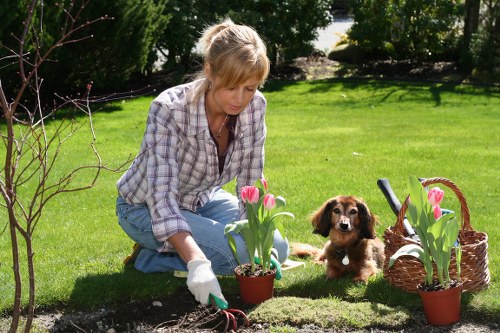
Garden clearance is the right option when a space has become cluttered with cuttings, fallen material, overgrown growth or items that are no longer part of the garden’s regular use. The aim is to make the area safe, accessible and easier to maintain afterwards. Clearance can be a practical starting point before any planting, lawn work or landscaping is considered, because it removes the material that prevents a clear view of the space.
We can handle clearance work on gardens that need a decisive tidy-up after a period of neglect, a change of use, or the removal of old plants and surface debris. In many cases, the best approach is to separate the work into stages: first clearing the obvious waste and overgrowth, then assessing what should be retained, cut back or replaced. That approach avoids unnecessary disturbance and makes it easier to plan the next step.
If a garden contains mixed material, it is sensible to note this early, because the type of waste and the amount of handling involved can affect how the job is organised. A careful, methodical clearance is usually more effective than rushing to remove everything at once, especially where there are mature shrubs, climbing plants or features that should remain in place. For a straightforward quote request, keep the description honest and specific.
Hedge trimming and shaping
Hedge trimming is an important part of keeping boundaries neat, reducing encroachment and maintaining a consistent line across the garden. Well-timed trimming can improve light, support a tidier appearance and prevent hedges from becoming too heavy or uneven. The exact approach depends on the species, the growth pattern and the finish you want, whether that is a crisp formal line or a softer controlled shape.
We can trim hedges as part of a wider maintenance visit or as a standalone task where the boundary line has started to spread. In practical terms, this may involve reducing lateral growth, levelling the top, cutting back awkward protrusions and clearing the cuttings away once the shape has been restored. Where a hedge forms a visible boundary, finishing it neatly can make a strong difference to the whole look of the garden.
It is helpful to think about whether the hedge needs light shaping or a more substantial reduction. Those are different jobs and may call for different timing and methods. If you are asking about hedge trimming alongside other services, we can combine the work so that the garden is left in better overall condition rather than dealing with each element separately.
Lawn mowing and grass care

Lawn mowing is one of the most visible parts of garden upkeep, and it plays a big role in whether an outdoor space feels orderly or neglected. A neat cut helps define the shape of the garden, keeps edges manageable and supports the appearance of surrounding planting. Depending on the condition of the grass, mowing may be a simple routine task or part of a more complete recovery after a period of irregular care.
Our lawn work can include cutting, edging and clearing the clippings so the finish looks tidy rather than hurried. If grass has grown too long, it may be better to approach the work progressively, especially where the lawn has become dense or patchy. This allows the surface to be brought back into shape without putting unnecessary strain on the lawn itself. In that sense, the service is not only about the cut, but also about handling the grass responsibly.
For gardens with both lawn and planting beds, it is often efficient to combine mowing with bordering and light tidying in the same visit. If you are planning to request a quotation, it helps to say whether the lawn is simple, sloped, obstructed or enclosed by beds and paths. Those details affect how the work is organised and help us quote for the right level of care.
Landscape gardening for layout changes
Landscape gardening is the service to consider when a garden needs more than routine upkeep and would benefit from a new structure or a more deliberate arrangement of space. This might involve reshaping borders, improving access, adjusting planting areas or creating a clearer relationship between lawn, path and seating areas. The emphasis is on practical design and workable planting rather than decoration alone.
We can support landscape gardening projects that aim to improve the flow of a space, give more definition to the different parts of the garden or make it easier to maintain in future. Depending on the brief, work may include rethinking planting lines, clearing space for new features or rebuilding a tired layout in a way that feels better suited to the property. The important point is that the garden should function well as well as look considered.
Because each layout has its own constraints, a landscape gardening brief usually benefits from a clear priority order. Some clients want a garden that is easier to maintain, while others want better planting balance or a cleaner finish around paths and boundaries. If you are deciding how much detail to include, start with the parts that matter most and let the rest follow from there.
About Covent Garden
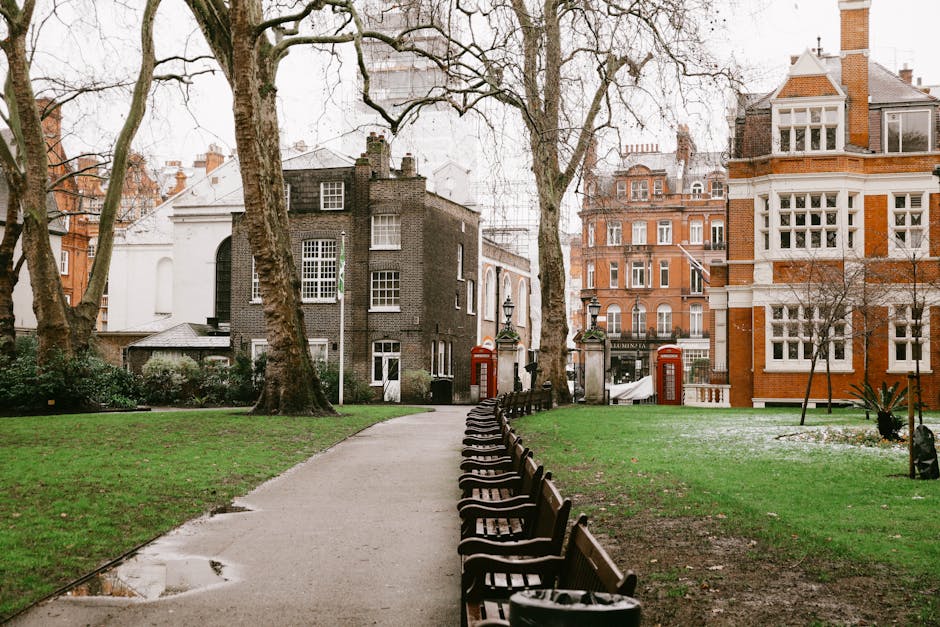
Covent Garden is a district in central London with a long cultural history and a strong identity shaped by markets, theatres and streets that attract both daily footfall and visitors. The area is commonly associated with the piazza that developed from the old convent garden lands of the medieval period, later becoming one of London’s best-known market districts. Today its public character still reflects that layered past, with a mix of historic fabric, retail streets and performance spaces close together. The Royal Opera House is one of the most recognisable landmarks in the area, while the piazza and surrounding lanes give the district a distinctive urban rhythm. Covent Garden sits within the City of Westminster and the London Borough of Camden, depending on the exact part of the wider district being described, which is one reason local references can feel tightly packed but still varied. The street pattern includes narrow passages and open squares, and many buildings reflect later Georgian and Victorian phases rather than a single period of development. Nearby transport connections make it one of central London’s most accessible destinations, and the area’s blend of architecture, shopping arcades and cultural venues gives it a character that is both historic and very much in use.
Pricing, access and quotation details

For many garden jobs, the quotation is influenced by the size of the area, the amount of growth or debris, the access to the space and whether the work is a one-off visit or part of a broader programme. A small courtyard with straightforward access is usually very different from a layered garden with tight side routes, climbing growth and several separate areas to treat. Being clear about the site helps avoid vague estimates and makes the quotation more useful.
When you send an enquiry, it is often enough to note the main task, any awkward features and whether you need the work grouped with other garden services. If the space has limited entry, shared access or fragile planting that should be protected, say so at the start. That kind of detail helps shape the visit properly. Good preparation also includes deciding whether you want a tidy, a recovery or a longer-term maintenance approach.
If you would like to compare options, our pricing and quotes page can help you understand how requests are handled before you decide how to proceed. You can also keep things simple and send a plain description of the work you want. Either way, the clearer the brief, the easier it is to return a sensible figure.
Tree work and larger growth control
Tree lopping and removal can be relevant where a garden has taller growth that is affecting light, space or the overall balance of the site. This work needs a careful approach because larger stems, branch structure and nearby features all have to be considered before cutting begins. The aim is not simply to remove height, but to manage the tree or woody growth in a way that suits the space and the intended outcome.
Where tree-related work is appropriate, it may be linked to wider clearance, hedge control or restructuring of an overgrown area. In some gardens, a tree or large shrub can dominate the layout and make the rest of the planting difficult to manage. Addressing that growth can improve access and make it easier to maintain the surrounding ground and borders. As always, the work should be matched to the condition of the site rather than handled as a generic cut-back.
Measured decisions matter with larger growth because a small change can have a big effect on light, sightlines and the way a garden feels. If your enquiry involves taller growth, it helps to describe where it stands in the garden and how much of the space it currently affects. That gives a clearer basis for planning the right level of work.
Finishing touches and longer-term garden care

Once the main work has been completed, the finishing stage is what turns a practical job into a garden that feels properly looked after. That can mean clearing away cuttings, checking edges, tidying disturbed areas and making sure the main features sit neatly together again. A well-finished job is usually less about visible effort and more about the calm, settled result it leaves behind.
Some customers want a single visit that deals with immediate problems, while others want an ongoing arrangement that keeps the garden under control through the year. Both approaches can work well if the tasks are matched to the site. Regular care usually reduces the amount of corrective work needed later, while a one-off visit can be the right first step if the garden has become difficult to manage. Our aim is to make the next step clear, whether that is recurring maintenance or another targeted task.
To request a quotation, you can keep your message brief and practical: say what kind of garden it is, what needs doing and whether there are any access issues or preferred timings. If you are ready to move on, use the contact page to send the details and ask for a quote. We will then work from the information you provide.